AI-powered speech therapy games Download free

Evidence guides the product. Evaluation tests it.

Built together by SLPs, product, data, and engineering.

One multidisciplinary team

Meet the team

Clinical team

Product, data & engineering

A cross-functional team builds, measures, and improves the product with ongoing clinical and user feedback.

  • Reliable recognition
  • Precise clinical control
  • Clear progress insights
  • Measured improvements

Our articulation practice report

Children’s Articulation Practice in SpeechLP Across Two Months

Published November 3, 2026, this manufacturer-led retrospective preprint examines two consecutive 30-day practice periods in 101 returning recorded profiles, with 660 matched profile-and-sound pairs. It has not been peer reviewed.

Mean accepted-card accuracy was 69.4% in Month 1 and 74.9% in Month 2: a difference of +5.5 percentage points (95% CI 0.4 to 10.4). Recorded sessions and practice days declined.

The evidence path

How evidence becomes a SpeechLP decision

Research defines the question. Product, data, and engineering build what can be tested. Feedback and evaluation guide the next improvement.

  1. 1

    Clinical evidence

    Set clinical priorities

    Certified SLPs interpret published evidence and define the clinical goals, practice boundaries, and needs the product should address.

  2. 2

    Collaborative design

    Frame the work together

    SLPs and the product, data, and engineering team turn clinical goals and feedback into specifications, measures, and research questions.

  3. 3

    Engineering

    Build, measure, and refine

    The product, data, and engineering team works with SpeechLP’s SLPs to implement features and improve speech recognition, reports, games, and flashcard variety.

  4. 4

    Feedback

    Review real use

    SLPs, families, and the internal team provide regular feedback on clinical fit, clarity, usability, and technical quality.

  5. 5

    Improvement

    Study and improve

    The team turns feedback into scientific research questions, reviews the evidence, and uses findings to guide the next product improvement.

Start with the sounds that matter most

A quick, age-informed screen turns responses into focused next steps for families, SLPs, and the app.

Age-informed screening, focused next steps

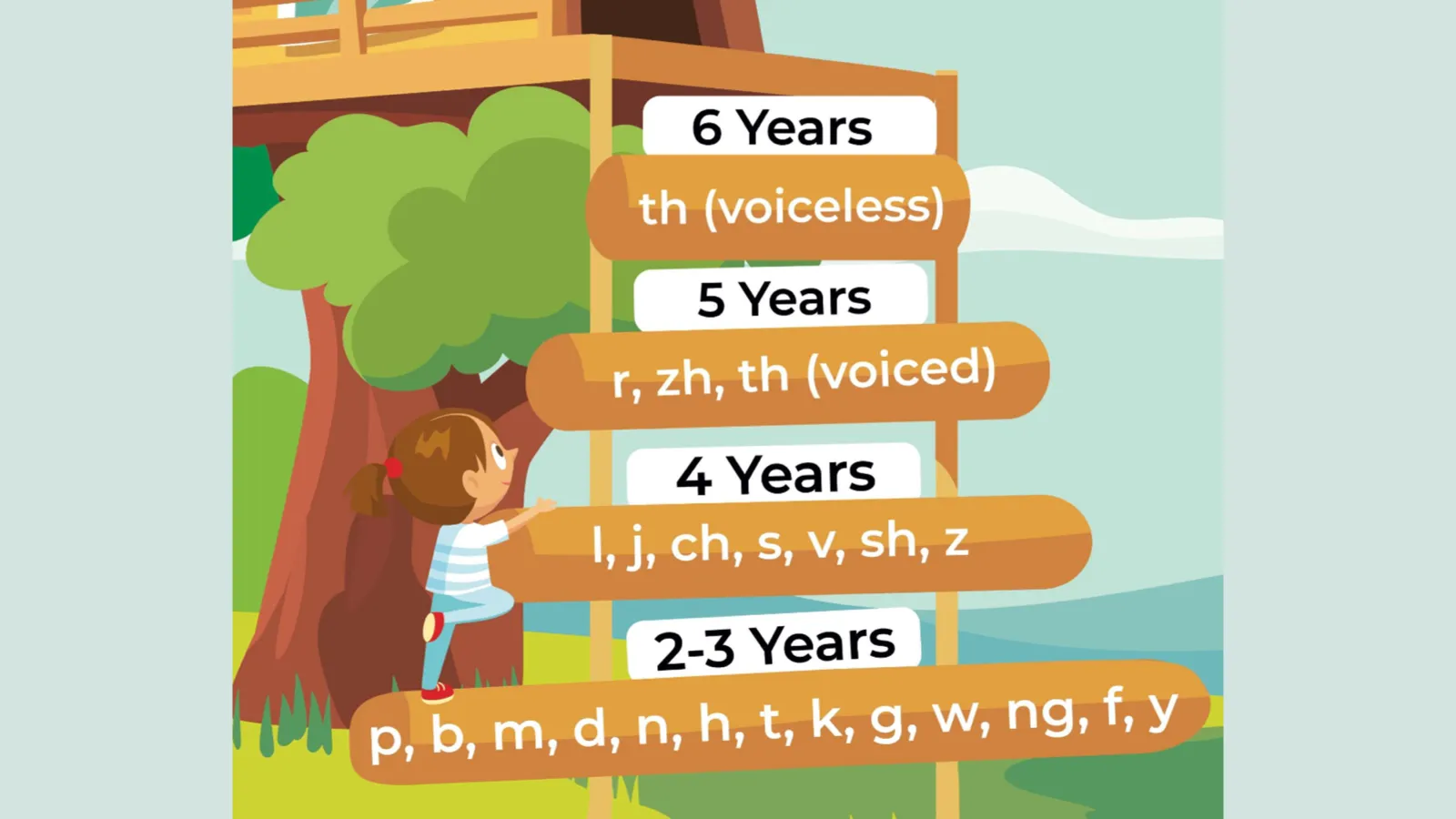
  • Through age 6: target sounds follow each developmental stage.
  • After age 6: word complexity increases while sound targets stay consistent.
  • Clinical foundation: published developmental research and input from SpeechLP’s certified SLPs guide the screener design.

For a child with an SLP

  • Highlights sounds that may need closer attention.
  • Brings a clearer starting point to the next SLP conversation.

For a child without an SLP

  • Creates an initial, personalized practice starting point.
  • Helps the app focus first on sounds that were more difficult.
A report designed for action

The shared report keeps review simple by showing the target sound, word, and result.

Target sound Word Result
Final /g/ pig Keep practicing
Initial /b/ · Final /d/ bed Keep practicing
Initial /h/ · Final /t/ hat Clear response

A useful first signal, not a diagnosis. The screener supports practice planning and does not replace a clinical evaluation.

Free iOS app

Speech games kids love, designed with SLPs

Download SpeechLP and start practicing at home today.