For families
Target sound→Guided game→Practice report
Help speech practice feel like play.
SpeechLP gives children short, guided articulation games while families get a clear way to begin, stay consistent, and understand what was practiced.
- Ages 2–9
- Built with certified SLPs
- HIPAA & COPPA compliant
A focused family routineKnow where to begin and what comes next.
3 simple steps- 1
BEGINChoose the starting pointUse an SLP-assigned target or the informal screener.
- 2
PRACTICEKeep one sound in focusShort games give the same target playful variety.
- 3
REVIEWUnderstand the sessionSee what was practiced and decide what to repeat or discuss.
One clear goal connects the activity with the review.
A clear place to begin
Start with the path that fits your family.
Whether an SLP already guides your child or you are exploring speech practice for the first time, SpeechLP helps turn the next step into a focused activity.
Bring the therapy target home.
- 1
Your SLP sets the focusSound targets and practice level stay connected to the care plan.
- 2
Open the assigned activityThe target is ready when your family starts SpeechLP.
Find a practical starting point.
- 1
Use the brief screenerSpeechLP listens across an age-informed set of words.
- 2
Begin with a focused setPractice starts with sounds that were more challenging.
Helpful context, not a diagnosis. The screener and app feedback do not replace an evaluation by a speech-language pathologist.
EXAMPLE WORDRabbit/r/ at the beginning
Focused wordsOne clear sound target
Guided gamePractice through play
Guided home practice
A routine children can learn quickly.
The game can change while the speech target stays consistent, giving children variety without losing the purpose of the activity.
- 1
See the word
A picture and spoken prompt make the practice target clear.
- 2
Say it aloud
Your child practices the word while SpeechLP listens during the activity.
- 3
Keep the play moving
The app responds to the attempt and guides the child into the next turn.
ONE TARGET/r/ in initial position
3 playful settings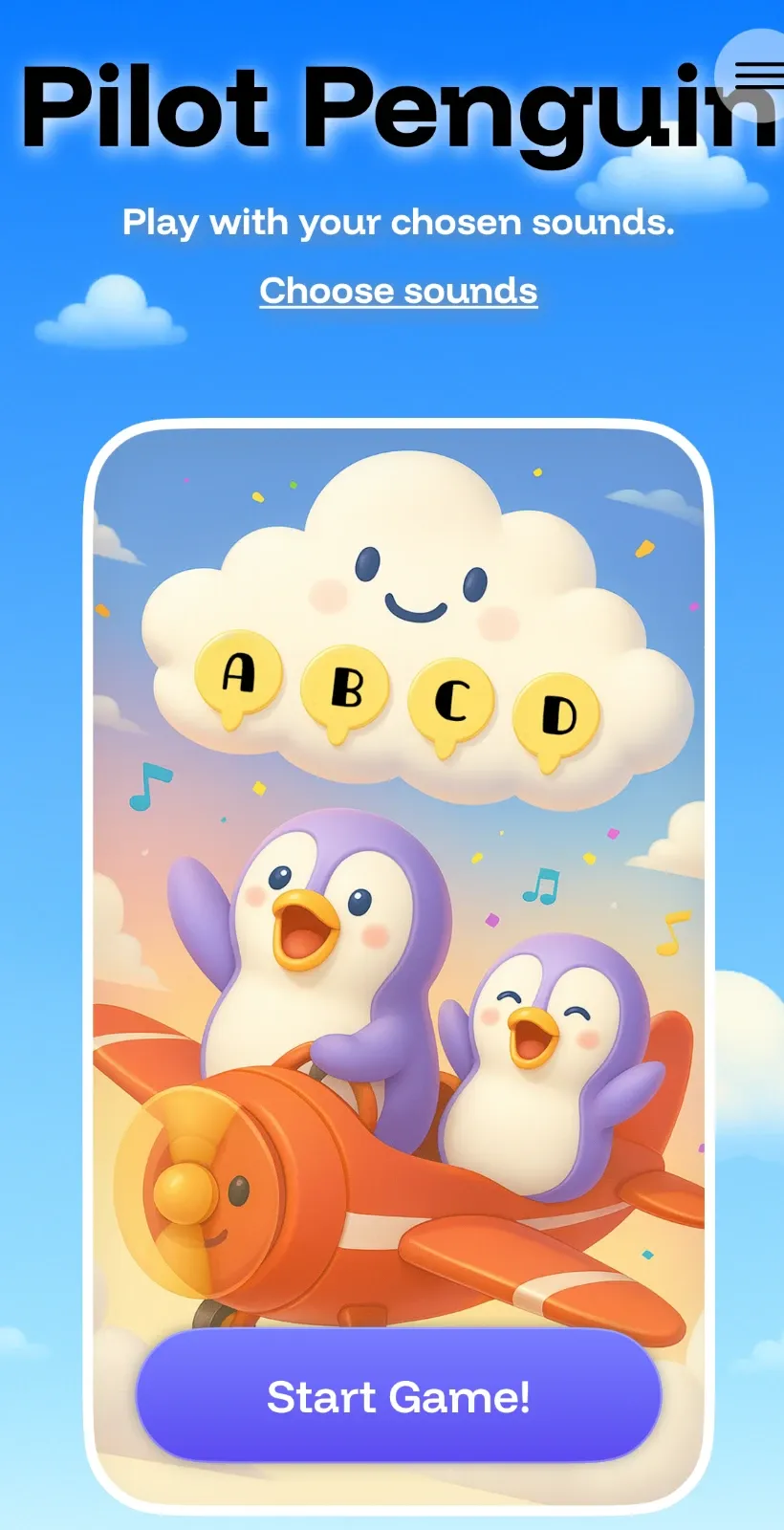
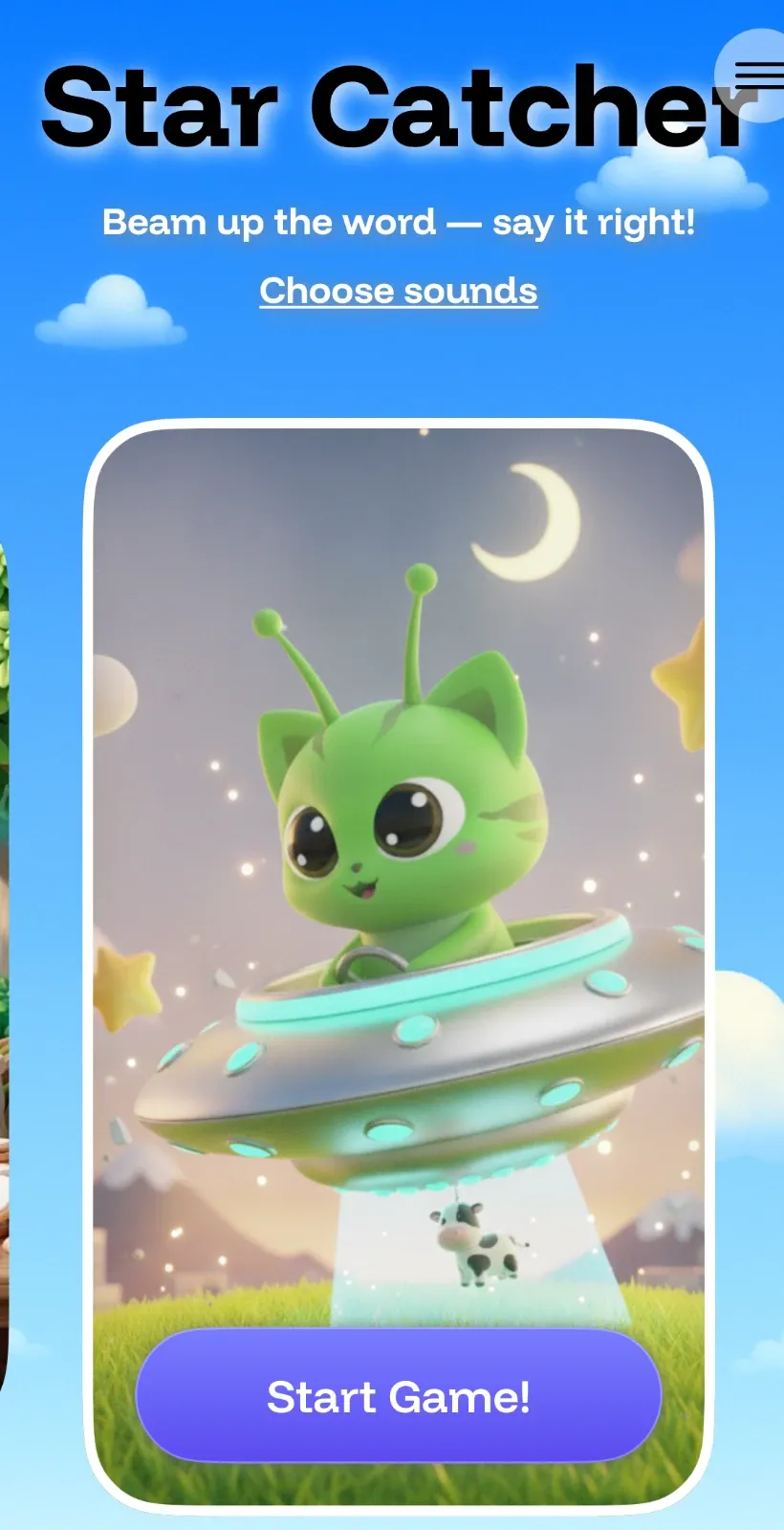
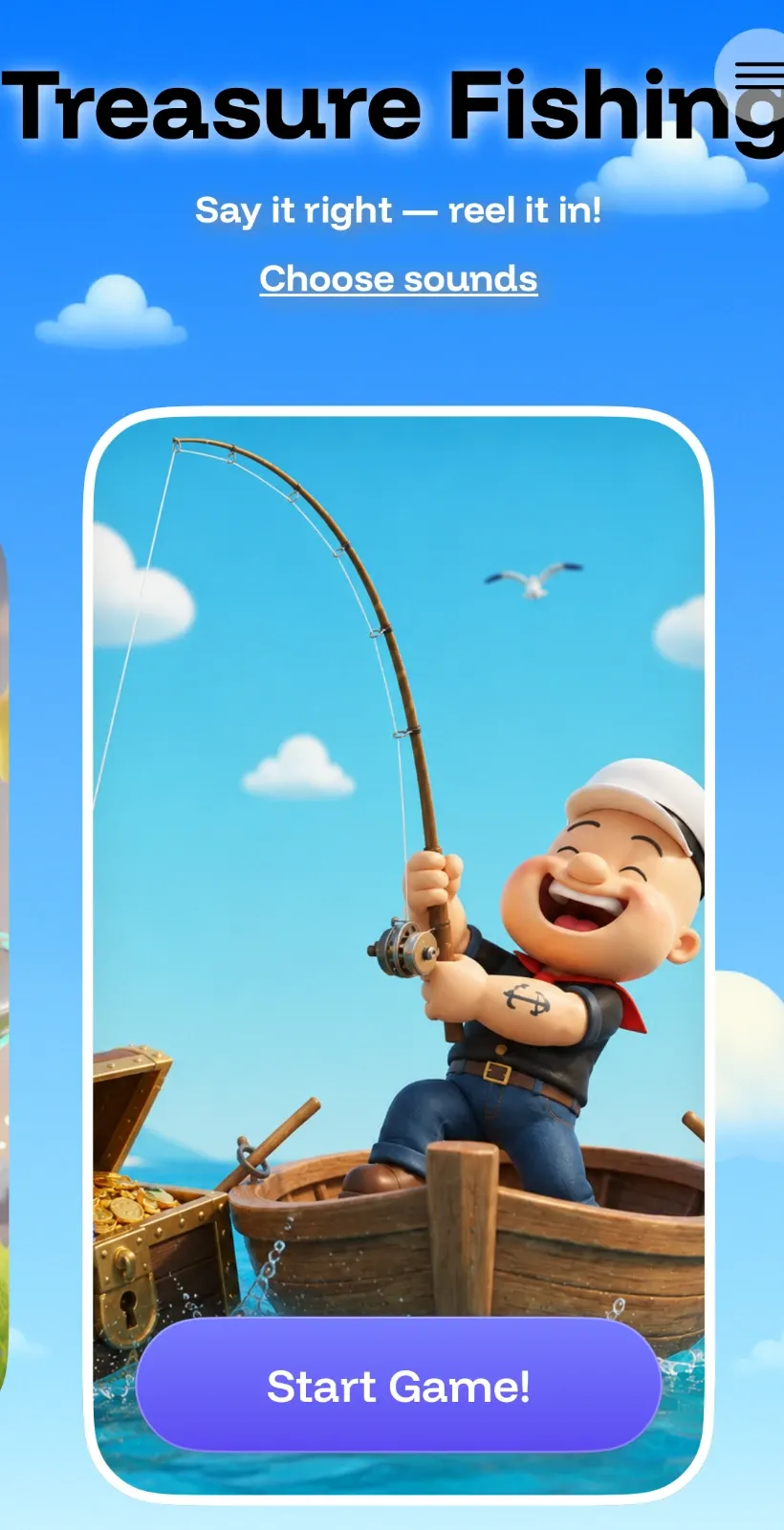
The game changes. The speech target stays consistent.
App feedback guides each attempt. It is not a clinical score or diagnosis.
After practice
Understand the session. Plan the next one.
SpeechLP brings the practice details together so families can recognize the effort, repeat what helped, and bring useful questions to an SLP.
What families can review
Six useful pieces of context from home practice- 1
Practice focusThe target sound, word position, or assigned focus for the activity.
- 2
Activity contextThe game and words your child used during the practice session.
- 3
Session detailsWhen practice happened, how long it lasted, and what was completed.
- 4
In-app feedbackThe responses SpeechLP provided during supported practice attempts.
- 5
Patterns to noticeRecurring areas to watch across sessions instead of judging one result.
- 6
A useful next stepRepeat the focus or bring specific observations to your child’s SLP.
After one sessionUse the summary as a simple recap of that day’s practice.
→Across several sessionsLook for recurring patterns and questions worth discussing.
Practice information supports the conversation. It does not diagnose a speech sound disorder or independently measure clinical progress.
Questions from families
Family FAQ
Clear answers about starting, practicing, reviewing sessions, and using SpeechLP alongside professional care.
What is SpeechLP?
SpeechLP is a speech therapy practice app for kids ages 2 to 9. It combines voice-controlled games with an informal speech sound screener to make articulation practice engaging, built around the practice that happens at home and between therapy sessions. It's a practice and educational support tool, not a diagnostic or treatment service.
Does my child need to be in speech therapy to use SpeechLP?
No. SpeechLP works well alongside therapy your child is already receiving, but it isn't required. You can use the games and screener on your own to support your child's speech sounds. If you have concerns about your child's speech, language, or fluency, it's worth consulting a licensed SLP.
How accurate is SpeechLP's speech recognition?
SpeechLP listens to your child during games and the screener and gives real-time, child-friendly feedback. It's a practice and screening support tool, not a diagnostic instrument, and it isn't a substitute for a full evaluation by a licensed SLP. We're continuously improving the underlying speech recognition, and we love hearing from families so we can keep making it better.
Is my child's information private and secure?
Yes. SpeechLP is HIPAA and COPPA compliant. Speech recognition runs entirely on your child’s device, and SpeechLP never uploads, stores, or shares your child’s voice or video; neither do any of our vendors or partners. SpeechLP saves only practice results (word attempted, sounds recognized, correct or not, timestamp). We do not sell personal or child data. See our Privacy Policy for full details.
Will SpeechLP replace my child's speech therapist?
No. SpeechLP supports the work your child does with their SLP. It doesn't replace their evaluation, target selection, treatment planning, or direct instruction.
Can I check my child's speech sounds myself?
Yes. A caregiver can complete SpeechLP's informal speech sound screener with a child and review the results together. The screener is meant to guide practice and to surface questions worth discussing with an SLP. It does not diagnose a speech sound disorder or determine whether therapy is needed.
What ages is SpeechLP for?
SpeechLP is designed for children ages 2 to 9 who are working on speech sounds (articulation). Whether it's the right fit comes down to your child's individual abilities, not age alone, so check with a licensed SLP if you're unsure.
Is SpeechLP a good fit for my child's specific speech sounds?
SpeechLP works well for kids practicing common consonant sounds and blends, from early sounds like /p/, /b/, /m/, /t/, /d/, /k/, /g/ to trickier, later-developing sounds like /r/ and /l/. It works best for carrying over a sound your child has already had some success with in therapy, rather than introducing a brand new one. It is not yet built for lateral or interdental lisps (which need hands-on direction from an SLP). It's not designed for stuttering or broader language and social-communication goals. If you're unsure about your child's targets, a licensed SLP can help.